Corporate Retreat Planning: 10 Best Practices for Success

By Ellena Wilson
As the year draws to a close, it’s only natural our attention turns to next year’s priorities. For many organisations, that means corporate retreat planning begins…
For many organisations that includes leadership retreats, company offsites and corporate retreats that bring your team together and drive the business forward.
While planning for a retreat set to take place in the Spring or even Summer feels somewhat premature, now is the perfect time to get the process started. The best venues, dates, unique team building experiences and high-in-demand suppliers are secured at this time of year.
The pinnacle of retreat planning best practices is starting as early as possible as you benefit from greater flexibility, stronger negotiating power and better value from your investment.
The most successful retreats don’t bring longstanding business success through 5-star luxury or thrill-seeking itineraries. They succeed because every decision has been meticulously thought out. Every possible destination, agenda, transport and activity have all been designed for the clearly defined business goals.
At Red Blaze, we’ve delivered more than 1,000 corporate retreats across 60 countries and spent 26 years helping organisations create experiences that strengthen culture, improve collaboration and support strategic objectives all the while improving employee retention rates.
1. Start With Business. Objectives Not Destinations
One of the biggest mistakes companies make is deciding where they want to go before they have clearly outlined their business objectives. Before discussing destinations, activities and budgets, it is important that you establish what a success retreat means for your organisation.
Your corporate retreat should create measurable outcomes where you see real business return from the off-site, not just a fun trip away.
Begin with questioning your own intentions:
Are you bringing teams together after remote working? Prioritise connection over presentations
Centring employees around annual business goals? Focus on strategy and communication.
Strengthening culture during a growth period? Focus on reinforcing your company values and your shared identity.
Breaking down communication barries between departments? Encorporate cross-functional workshops that emphasise collaborative problem-solving sessions.
Developing your businesses future leaders? Combine the eladership training, mentoring, cross-ladder communication, coaching workshops or even breakout workshops.
Recognising and rewarding your top performers or sales team? Consider whether a retreat corresponds with your intentions.
If you wish to eleveate the experience through premium accomodation, dining experiences and entertainment, stick with a corporate retreat. However if you’d rather an incentive, to help you make the choice, read our comparison article that shares the differences between incentive travel and a corporate retreat.
2. Build Your Timeline Sooner Rather Than Later
One of the biggest mistakes is underestimating the planning timelines. Whether you’re planning a leadership for 8 attendees or an international corporate retreat for 300, early planning gives you options, which is ultimately everything.
Early planning secures:
- Preferred Venues or even Exclusive-Use
- Competitive Accommodation Rates
- Better flight options – Direct or Cheaper
- Event Specialist Support
- Premium activities or dining experiences.
When you book in advance, you have time to go over charges, budgets and pricing; less planning time inevitably leads to fewer charges that crop up out of nowhere.
3. Build An Intentional Budget
By planning earlier than you need to, you will help you discover which extras you can have on your retreat, like on-site support or any additional enhancements. Refer to our Ultimate 2026 Planning Checklist for more details.
An important thing to remember is the larger the budget, does not automatically create the best experiences. The most successful retreats are those where investments are allocated toward the sectors that will have the biggest impact.
When you begin with the overarching figure, be realistic. Before finalising destinations, activities or accommodations, what are your non-negotiables? What matters most to you and your team?
- Is this a leadership retreat that requires exceptional meeting facilities or great AV built into the rooms?
- Is it a reward-focused retreat that whilst has meeting and training sessions ultimately the experience is the priority?
- Is team-building the priority?
Once your priorities are established, you begin to allocate your budgets accordingly, rather than spreading evenly across all areas.
Do not underinvest on the areas that attendees remember most.
As mentioned in our Ultimate 2026 Planning Checklist, the budget includes:
- Accommodation
- Flights and transport
- Meeting and conference facilities
- Team-building activities
- Food and beverage
- CSR initiatives
- Contingency funds
- Personalised gifting or room drops
- Onsite event management and support
Always build your contingency funds into your budget, this helps to cover any unforeseen costs.
4. Organic Networking Over Forced Icebreakers
A retreats value is not just the time spent in meetings. They’re valuable because they create opportunities outside of the workplace or teams for people who wouldn’t normally interact day-to-day to build relationships.
Whilst formal workshops, presentations and strategy sessions all have their meaningful or valuable place on the agenda, some of the most organic connections are made outside of the agenda itself.
They happen during coffee breaks, evening receptions and shared experiences rather than sat watching formal presentations.
Ultimately, you’re building opportunities with the intention of cross-functional networking and informal discussions. Building this space for informal discussions opens leadership accessibility to something simply not possible in the office. The knowledge sharing and peer-to-peer learning is simply what your company cultures foundation should be built upon, meaningful human interaction.
When planning your retreat, regardless of what type of retreat it is, make sure you’re intentional with your agenda. The informal interactions often create the best cross-functional relationships when space is opened for organic networking.
Now let’s focus on the rest of the agenda…
5. Creating a Balanced Agenda
When you’re planning a corporate retreat, think of yourself not as the planner but as one of the attendees. If you cannot sit in back-to-back meetings for eight hours, how do you expect anyone else to?
Creating a balanced agenda will keep your team engaged in any workshops or meeting. Overloading your itinerary with an activity every hour with no breathing room means that no one will be able to take anything away from this experience. In the same way that days of activities without any direction or connection to your objectives are pointless.
Employee engagement naturally declines throughout the day, particularly during long periods of presentations or training sessions. Breaking up the agenda with interactive workshops, team-building activities, free time and informal networking opportunities helps maintain energy levels and improve knowledge retention.
What do you need for a balanced agenda:
- Strategic sessions
- Team-building activities
- Opportunities for informal discussions
- Wellness activities
- Free time
As we’ve mentioned ‘the magic’ or organic networking often happens after scheduled sessions when colleagues have time to connect naturally. In balanced agendas, you’ll find your attendees gravitate to more open and light-hearted conversations once the ice is essentially broken.
6. Choosing A Venue That Fits Your Objectives
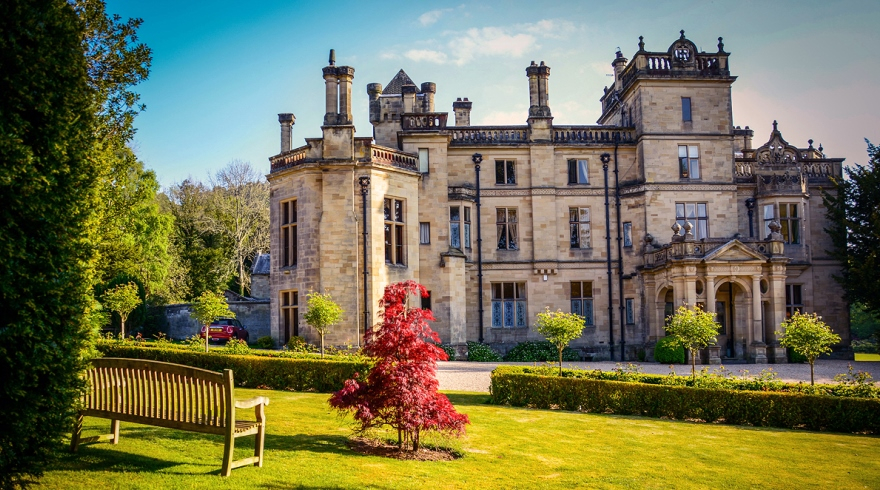
The venue you select ultimately must coincide with your budget, but it is so much more than where your attendees will sleep, it’s part of the experience.
Finding the right venue requires you to ask some key questions:
- Does the venue support both business and social activities?
- Are there breakout spaces?
- Is there adequate AV tech for our meetings?
- Are there nearby activities suitable for the group- or on site?
- Does the environment connect with the retreat’s purpose?
- Is it accessible for all our team?
- Does it reflect our company culture?
The most aesthetically stunning venue isn’t necessarily the best venue; the best venue is the one that can support and facilitate your corporate retreat needs.
A luxury leadership retreat would be suitable for a boutique countryside hotel, but a full company retreat will need a larger-scale conference property. Through being strategic with your venue selection, you may find more space in your budget for investing in the team building, CSR, accommodation or culinary experiences.
If you’re looking for the Best All-Inclusive Corporate Retreats for UK Businesses, look no further!
Need A Hand?
At Red Blaze, our team makes sure to only recommend venues that combine productivity with atmosphere, comfort, and overall experience. From ensuring the right meeting spaces and breakouts to sourcing properties that inspire creativity and boost morale, we help you get maximum value from your investment.
Our venue discovery is a free service we offer to help alleviate the long list of planning. By telling us your goals, team size, preferred locations, and retreat styles, we find the venue of your dreams. Essentially, you’ll have more time to plan the bigger picture whilst we manage venue liaison, negotiations, and ensure the property meets your logistical and technical
7. Team Building Around Your Desired Outcomes
The best team-building activities create measurable outcomes, ones that coincides with your intentions as we’ve previously stated. Similarly to venues, the most expensive option may not be what is right for your team. Return to your goals and intentions and evaluate what activity correlates with your business goals.
If your goal is to improve collaboration or communication, you would not choose a competitive activity like a survival challenge that pits your attendees against each other.
Goals | Activity |
Improving Collaboration | Crystal Challenge, Team Treasure Hunts |
Leadership Development | Survival Challenges, Business Simulations |
Improving Communication | Culinary Challenges, CSR Projects |
Rewarding & Recognising | Yacht Experiences, Fine Dining, Adventure Activities |
Innovation & Creativity | Hackathons, Design Thinking Workshops |
The best corporate retreats create conversations and nurture skills that continue long after the retreat ends. If you find your intentions don’t unite with your team-building activities, reconsider whether it belongs on the agenda.
Bad Planners Choose Activities
Good Planners Choose Outcomes
Excellent Planner Choose Activities because of Outcomes
8. Consider Adding a Corporate Social Responsibility Project
CSR activities can add genuine meaning to a retreat. When there’s an opportunity for delivering social value alongside business value, it feels tedious not to combine the two.
When you’re planning your corporate retreat, having one of your team-building experiences be a CSR or purpose-led experience ultimate raises employee engagement, reinforces your company values and meets your ESG objective.
One of the hidden benefits behind a CSR is the mental reset it provides for your team, giving them the opportunity to step into a new environment and engage in cultural immersion that forces your team to slow down and appreciate different perspectives and ways of life.
The problem-solving required for volunteer work will enhance team synergy and lead to innovative solutions that employees bring back to the office and a positive reflection on your off site.
9. Special Touches
Your team works hard year-round, with so much to going on, it gets harder to really take time to remember the little things. A corporate retreat is made all the more memorable with the small details that create the biggest impact. Small personal touches can dramatically increase engagement and attendee satisfaction.
What do we mean by small touches?
- Personalised welcome gifts
- Locally inspired experiences
- Handwritten welcome or thank you notes
- Branded room drops
- Surprise entertainment
- Wellness stations
- Local artisan food experiences
- Recognition awards
- Exclusive venues
- Wellness workshops
- Customisable packages
The best retreats are not just well organised; they’re thoughtfully designed. Every aspect of the off site is designed bespoke for your attendees. It really helps to combine memories made on the off-site with keepsakes, gadgets or branded items.
Some of the best feedback we’ve received is the coordinated room drops where the attendees’ keepsakes are left in their rooms whilst they’re enjoying afternoon or evening activities.
10. Focus On What Happens After The Retreat
The biggest mistake organisations make is assuming the retreat ends when everyone goes home. The real value and pay-off comes afterwards. Ultimately, the most successful corporate events are the ones that deliver clear outcomes when everyone returns to work.
Organisations spend significant time and budget attempting to bring people together but to maximise your ROI there needs to be clear alignment for transforming discussion and ideas into measurable business outcomes.
That’s why you need to evaluate the outcomes of the retreat with a plan of action that ensures the skills and attitudes learnt on the offsite continue for months after. Without a follow-up, it becomes another trip away; with a follow-up, you’ll see true and meaningful business change.
Ultimately, the best corporate retreat planning practices help to deliver the measurable success of the experience. When everyone returns to work whether its remotely or in the office your planning effectiveness will be reflected to you through your team’s rejuvenation, communication or determination. When planned strategically a retreat becomes more than an offsite, it becomes an opportunity to connect your team with a steadfast business objective for growth.
It’s time to invest in your team, company culture and relationships and begin your retreat planning now.