
What is Event Production? A Complete Guide for Brands & Event Organisers
By Ellena Wilson

“Event Production pulls together audio, visual and theming. If the production falls flat, that’s all the delegates will talk about. A faulty mic, a flickering light, or faulty staging will be noted. There’s so much to go wrong but with the right team, so much that can go right!”
Red Blaze Production Manager
Stuffy boardrooms with failing projectors and broken microphones for corporate meetings and summits are slowly (and thankfully) becoming a thing of the past, thanks to event planning and production. The events industry has changed and evolved significantly over the last few years, with event timelines accelerating. The MICE industry’s production has evolved even faster, following the ever-growing tech industry, you now see light shows and robodogs. However, the companies benefit greatly after hosting events, whether it’s morale, publicity or product launches; the results always make it worthwhile.
What’s the difference between Event Production and Event Planning?
Event planning can be easily broken down into the who, what, when, and where. Your planning team would deal with:
- Logistics and coordination of all event features like food, rest times, and transport.
- Client liaisons, ensuring clients’ dreams and vision have come to life through constant communication and beginning-stage proposals.
- Any sort of pre-event licensing and risk assessments.
This basic summary presents the idea that the event planner is essentially responsible for the who, what, where and when.
The event production team is responsible for the how.
How will the product launches look?
How will the audio & visual (AV) systems translate on the day?
How do live streams, hybrid technology or even stage design translate to the attendees?
How does the event go from prep to load-out?
Event planning is the first step: designing and organising everything from insurance to vendors and venues. Event production is what brings the vision together. Festivals, silent discos, robot shows, corporate retreats, product launches, laser shows, virtual-hybrid concerts, bespoke backdrops, creative builds. These events all require bespoke, tailored servicing from lighting to specialised backdrops or app activations and a composed, experienced events team to operate them.
Power | Temporary power Backup generators Distribution systems | Set Construction | Main stage Scenic walls Feature installations Entrance builds Runway construction |
Technical Production | Production management Technical direction Stage management Show calling | Video | LED screens Projection systems Video playback Live streaming Broadcast systems Presentation Monitors |
Audio | PA system Speakers Wireless microphones Presenter microphones DJ equipment | Engagement | QR Codes Interaction Sessions Polling Tools Feedback Systems |
Lighting | Architectural lighting Stage and spotlighting Ambient lighting Feature lighting |
|
|
These pillars work directly with transposing visions and dreams into reality. Now that this article has explained the difference between event planning and event production, it is quintessential that the Event Production process is understood.
What’s the Event Production Process?
- The Planning and Technical Preparation
At Red Blaze, our event and production team, whether it’s a bespoke event, a conference, or an exhibition stand, works in tandem; they understand the importance of constantly having a direct line of communication and following the script that they collaborated on.
When you select your event planners and event production team, ensure that they are in constant communication.
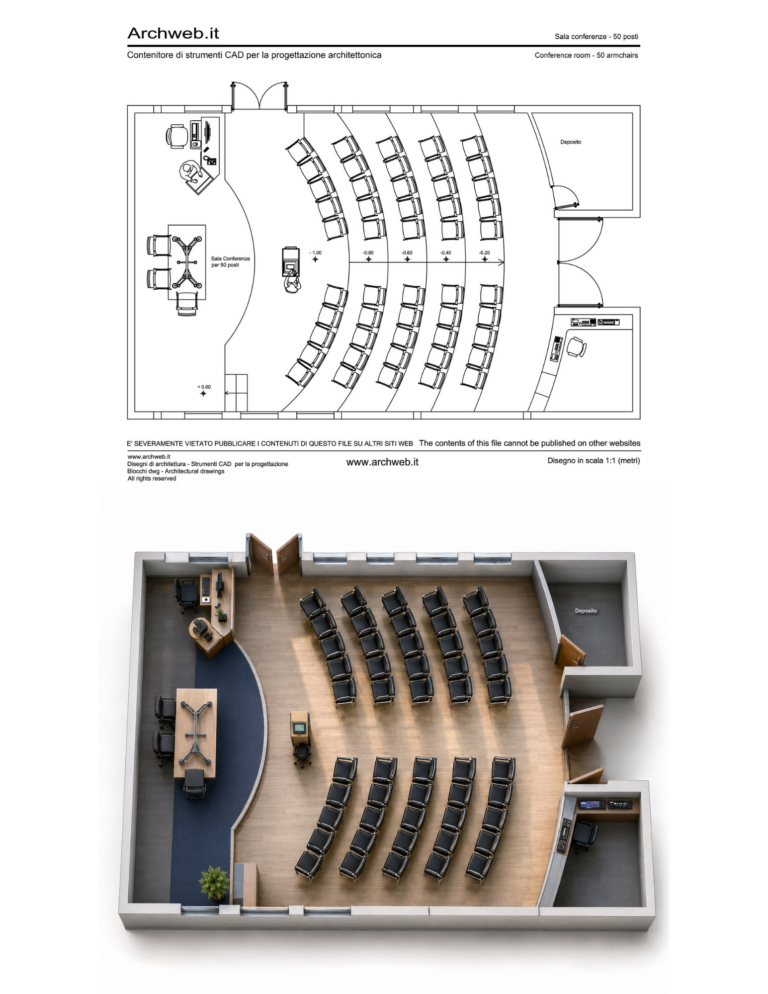
For the client, or overall guest experience, there is nothing worse than being overpromised in the planning stages and underdelivered on the event day. This arises due to miscommunications, bad time prioritisation, or even a lack of understanding of the AV elements. The best event planners know that the event production team must be consulted before any proposals are drawn up for the event otherwise client promises are left to lacklustre deliveries. Whilst event production is the title, a lot of planning comes in from their side for the technical aspects. The event planner carries out their own logistical site visits, but what a lot of people don’t know is that the production team will have their own site visits and technical surveys to envision how their plans will translate. Through CAD floor plans, 3D renders and lighting plots, everything must be planned in detail, not just turning up on the day and hoping for the best. The production team must create their own budget from the planner’s allocation and even collaborate on building the Run of Show (ROS) with cue sheets and scripts.
2. Production Execution
From pre-production to event day, you’ll find your events team setting all their equipment up either days before or on the morning of, depending on the event scale. Due to the previous site visits, your AV team will ensure that their concepts and designs match the interior. Measurements will be taken of the space alongside internal discussions with the venue event manager to iron out any issues like the load-in and load-out times and power supplies. This is where everything is essentially ‘ironed’ out, from the rigging and cabling to the Technical Director running through the cues according to the script and plan. This differs from event to event as the event day protocol differs if it is a hybrid, virtual, or in-person event. During the check time, you will find the production team ensuring the quality of every microphone, its backup, emergency power sources, flawless audio engineering, and much more.
Within the events industry, it’s easy for these technical mishaps to become the sole talking point in the post-production phase. That is why, if you are carrying out the production aspect through an agency different from your events team, you trust them to work together. Production execution is where all the planning and preparations truly count; everyone remembers the event production failures.
Our Red Blaze production in action.
3. Postproduction
When the event is over, attendees will speak of an incredible event, yet the job of your events team is not over.
All technical rigging, staging and set design must be safely disassembled from the venue. The venue then completes their own personal checks, ensuring that everything is up to their standard. In the days after, your production team will then begin the audio mixing for VOD, all the video editing, and enhancement for the highlight reels. The media processing stage is what truly highlights your production team’s hard work, as every stage of the planning process has come to life, with unforgettable moments for all those involved. When the client is happy with the media, the debrief begins with in-depth analysis of the technical performance, any equipment, the ROI and of course, reflecting upon the customer’s feedback. The benefit of not having to rely on yourself to manage the production? You can act as more of a host to your event attendees and spend more time focusing on other areas of the event, like enjoying your event come to fruition.
What are the Key Roles within Events Production Teams?
The Executive Producer / Senior Event Producer: The most central organiser of the client and event planner’s vision. They bridge together client expectations to a creative plan with technical actuality. Ultimately, they will deliver a safe event production with a well-managed team.
Technical Director: They are your technical authority on-site, managing their team on the day and guaranteeing that the script and timings will be up to an incredible standard. The TD typically translates the creative to the CAD floorplans/ product launches or any staging. In preproduction, they will specify the necessary equipment and test all of it to make sure there are no equipment failures.
Audio Engineer: Your Audio Engineer will be responsible for the quality of your overall sound systems. This is who would mix consoles, microphones and how the speaker placement affects the wireless frequency management. There is nothing worse than microphones’ loud screeching due to poor audio feedback during an awards gala. Whilst the event is in full swing, you’ll find that they are balancing live audio levels so that the speakers remain crisp in the room and on the feed outputs.
Visual Engineer: Your V1 engineer is the one who manages the video infrastructure. This includes the media servers, switches for signal routing, LED screens and projectors. They are different to the lighting director, who operates all the lighting rigs during the events. The visual engineer ensures all video and presentation content, or even live feeds, are displayed at the correct resolutions, aspect ratios and colour balances. They bring together the visual aspect of event production alongside the lighting director.
Depending on the technical requirements for your event production will depend on the team. There are many more roles in your event production teams, like:
- Lighting Director
- Camera Operator
- Live Stream engineer
- Videographer
- AV technician
- AV support technicians
Common Production mistakes to avoid
- Re-using production plans for different venues: Regardless of experience, every AV element must be tailored for the client’s venue. When you assume you can reuse equipment, rigging, and lighting fixtures without tailoring the planning process, it will ultimately lead to disasters on the day.
- Skipping Site Surveys: These site surveys are essentially how the production team will know what equipment to bring and how the AV element will be incorporated into the event without taking away from the physical event experience. Skipping the surveys will lead to potentially dangerous accidents where guests could trip over the equipment, equipment may not be rigged properly, and the overall experience will be tainted.
- Ignoring the importance of rehearsals and equipment tests: By not rehearsing the script in its entirety (and repeating necessary sections), you will be leaving too much to chance. Essentially opening your event up to the many challenges that technical or timing failures could leave you with. Not only does it set your production timings behind, but also the event planners. At an Awards evening, this could lead to failed food timings, award timings, and even having to cut the evening short due to licensing restrictions.
- Lack of contingency plans: Failing to budget for backup equipment or set design will cause your production team to reactively scramble, resulting in damaged brand reputation. Not only does this heighten the risk of severe budget overruns that should have been avoided, and compromise attendee experiences. All aspects must be included in your contingency plans. In the UK, you might plan for a sunny August event, only to find that the morning of there is a rainstorm…
- A lack of cohesion between AV and venue: Without a clear line of communication between the AV team and the venue manager, complications will arise down the line. Certain cues can be missed, especially if the event requires certain cues for different parts of the event. For example, having your set-up ready for a Gala dinner will require communication with the venue to make sure that the timings are considered. Timings like a food delivery and AV can be orchestrated and commenced at the same time.
How to know if you’re choosing the right Event Production Partner?
Choosing the right event production partner can feel overwhelming, as every company will provide different event visions, experiences, and personal style. In the pre-production phase, we recommend having multiple calls and emails to go over your expectations, so you can be certain you’re choosing a team that will deliver. Ask for portfolios of previous events that demonstrate a similar scale, style and technical aspect.
For example, if you’re looking to host a Gala evening, a production company that specialises in music events and festivals will not have the suitable skill set. In an ideal setting, you wouldn’t have to research the technical equipment you need as the production company should be experts. If you do have any doubts, ask them to display an in-house inventory and the outsourced equipment they’ll be getting or even past examples of event productions.
As the client, you should not have to be fretting over any safety compliance, insurance credentials or licensing issues. Those three aspects are for your event planners and your production team. The planners will also ensure that you have a transparent pricing structure with the event production team you choose to outsource.
At Red Blaze, we believe in the ‘in-house’. Our production team turns our events into immersive, unforgettable experiences. Event production is the secret to turning your vision into an unforgettable experience. We turn creative concepts into real-life possibilities, ensuring your event runs seamlessly with rigorous behind-the-scenes lighting, AV, sound checks and stage transitions all run smoothly. With 25+ years of experience, we know how to run seamless event production.